

Isn’t the Enneagram just a personality test?
It can be. But the way I use it with companies, it becomes a practical tool for leadership, culture, and how teams actually work together.
I use the Enneagram to understand what motivates people, how they communicate, and what happens when they’re under pressure. Instead of focusing on surface-level traits, it helps me get to the patterns that shape decision-making, leadership style, and team dynamics.
That insight allows teams to move past assumptions and start working with more clarity, empathy, and intention.
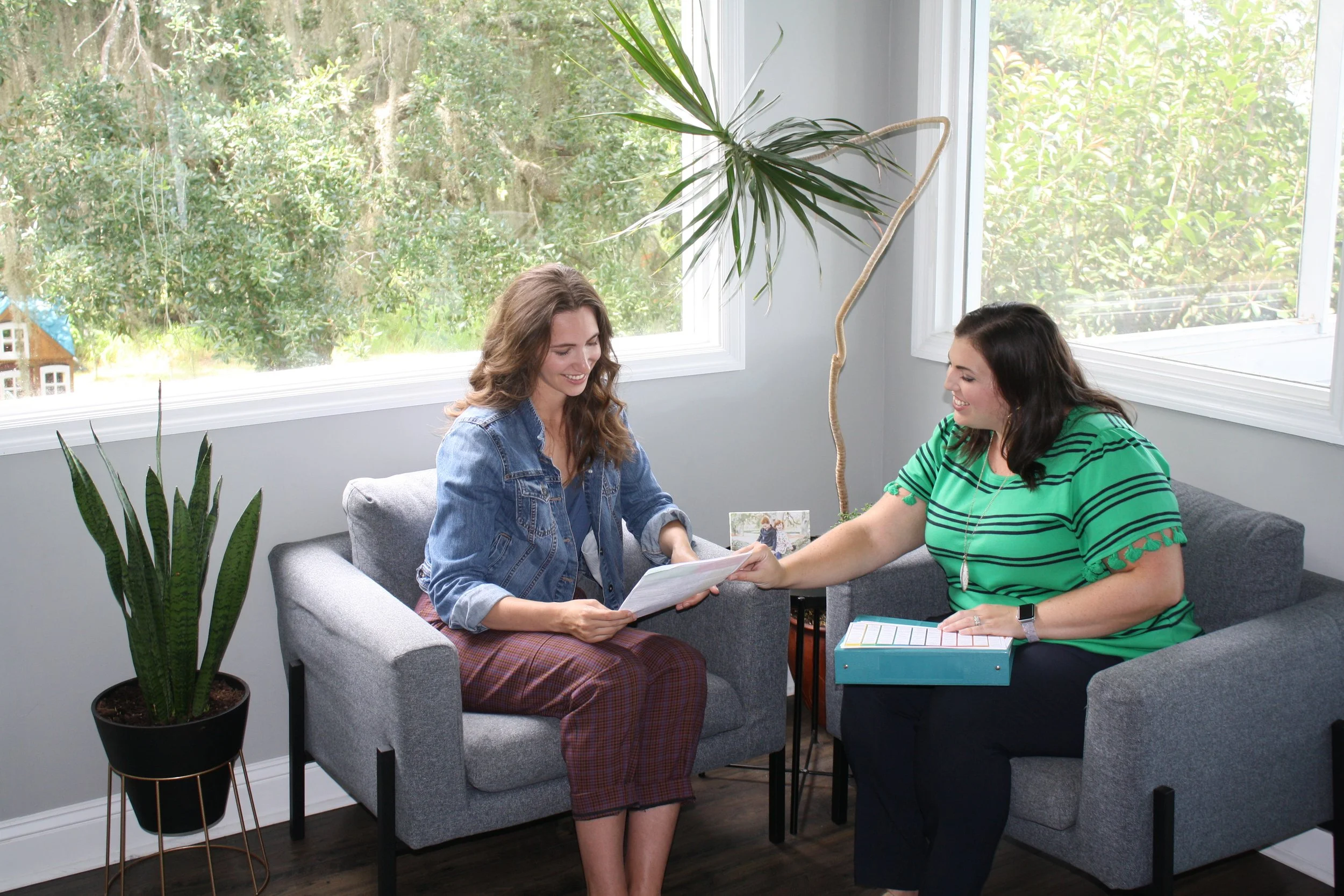
How I use the Enneagram with companies
I integrate the Enneagram into my work to help organizations:
Develop self-aware, emotionally intelligent leaders
Improve communication across different work styles and roles
Reduce friction and unproductive conflict on teams
Build trust, respect, and psychological safety
Strengthen collaboration and accountability
I most often use the Enneagram within leadership development, team workshops, culture initiatives, and ongoing people strategy. I do not use it as a standalone assessment or a labeling exercise.

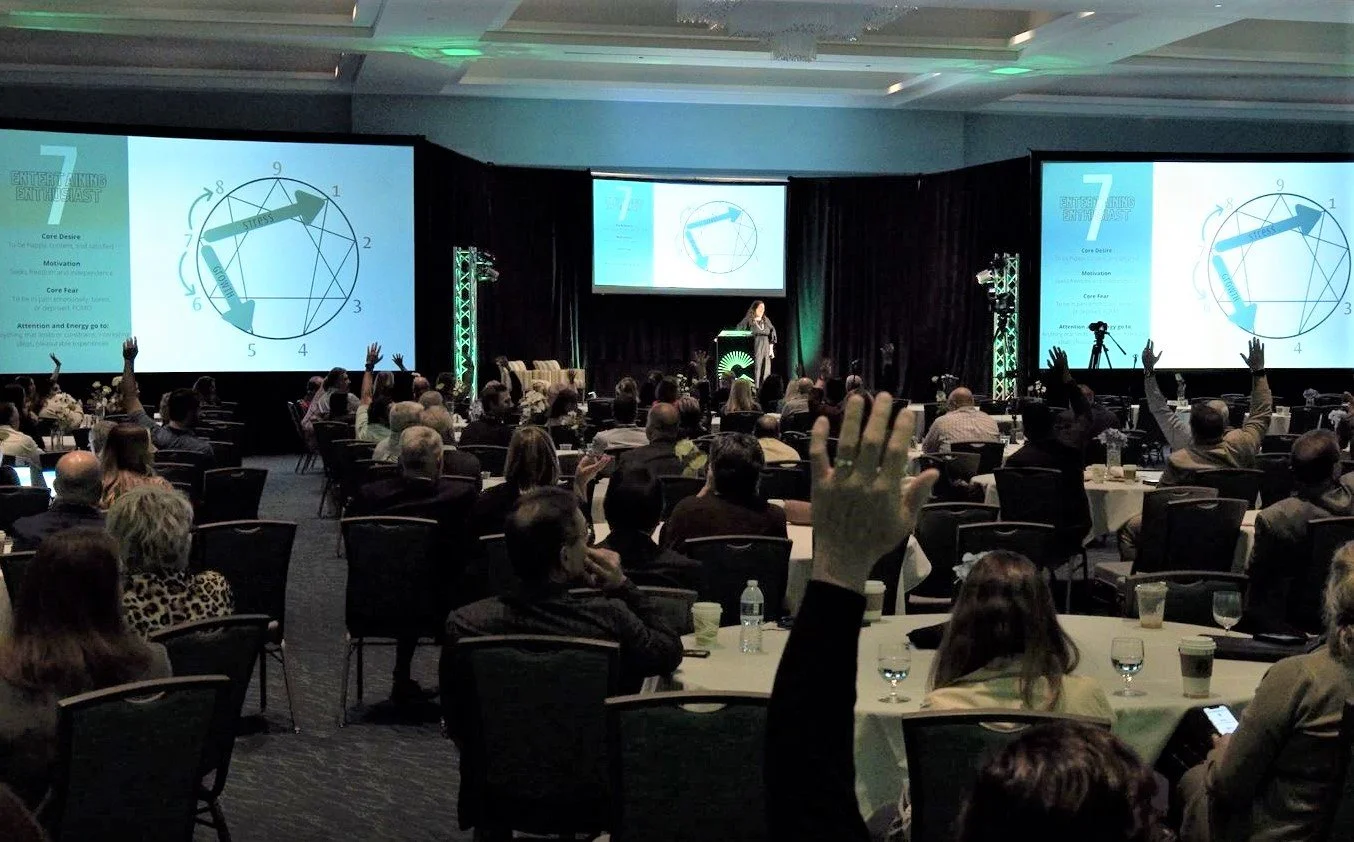
What Changes When Teams Work This Way:
A shared language for understanding differences
Clearer insight into individual and team stress patterns
More productive conversations and fewer misunderstandings
Stronger relationships rooted in empathy rather than assumption
Leaders who adapt their approach instead of managing everyone the same way
These shifts support stronger culture, higher engagement, and more effective teamwork.
Not a Label. A Working Tool.

I do not use the Enneagram to put people in boxes.
I use it to help teams understand what drives behavior and how to work together more effectively.
When applied thoughtfully, it becomes a human-centered tool that supports leadership growth, healthier teams, and sustainable performance.